
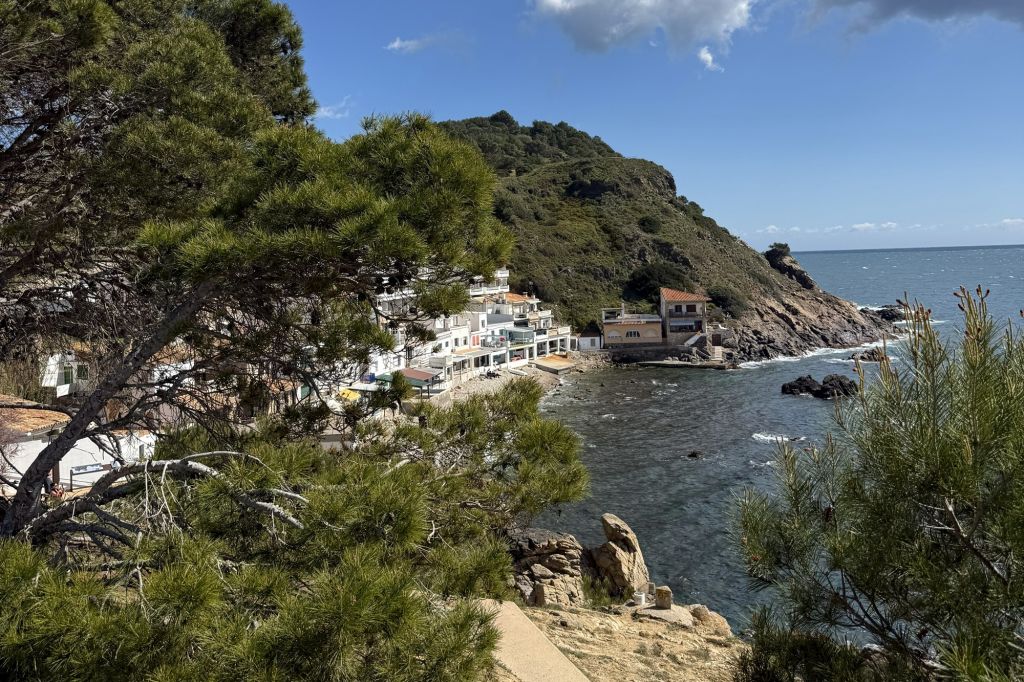
Walking the coastal paths of Palamós is one of the best ways to discover the Costa Brava on foot. Mediterranean trails, pine forests, small coves, beaches and viewpoints unfold along a coastline that combines nature, heritage and seafaring tradition.
If you're staying in Palamós and feel like spending a morning walking by the sea, you can adapt the route to the time and energy you have: from a short walk along the sections closest to the town centre to a longer route following the coast towards La Fosca, Cala S'Alguer and Platja de Castell.
In this guide, we'll show you what to see along the Camí de Ronda in Palamós, some of the essential stops and what to keep in mind when exploring it, especially during the summer months.
Where Does the Camí de Ronda in Palamós Go?
The coastal paths allow you to explore different sections of the Palamós coastline and form part of a much larger network of trails that continues along the Costa Brava.
One option for discovering the coast of Palamós on foot is to head north, connecting some of its best-known spots:
Palamós → Cala Margarida → Cap Gros → La Fosca → Sant Esteve de Mar Castle → Cala S'Alguer → Platja de Castell
From Castell, those who want to continue walking can follow a particularly natural stretch of coastline towards small coves such as Cala Canyers, Cala dels Corbs and Cala Estreta.
There's no need to walk the entire route. One of the advantages of exploring the coastline along these paths is that you can choose the section that best suits the time you have available and your fitness level.
1. Palamós, the Starting Point
Before heading into the more natural coastal landscape, it's worth taking some time to enjoy Palamós and its historic relationship with the Mediterranean.
The sea has played a major role in the town's development and remains an important part of its identity today, from the harbour and fishing activity to the streets of its historic centre.
From here, you can head north and watch the landscape gradually change as you move away from the town centre.
2. Cala Margarida, a Small Cove with Seafaring Tradition
One of the first stops worth making is Cala Margarida, located at the foot of Cap Gros.
It's a small cove surrounded by traditional houses, with a character that's very different from the large sandy beaches of Palamós.
Its proximity to the town centre also makes it a good choice if you don't want to walk too far but would still like to enjoy a short stretch of coastline beside the Mediterranean.
3. Cap Gros, Walking with the Mediterranean as Your Backdrop
From Cala Margarida, you can continue through the Cap Gros area, where the landscape gradually becomes more natural.
Here, the appeal isn't simply about reaching the next destination. Part of the experience is walking among Mediterranean vegetation while enjoying different views of the coastline along the way.
It's worth taking your time, especially in summer, and making the most of the different viewpoints and landscapes along the route.
4. La Fosca and Sant Esteve de Mar Castle
Another major stop is La Fosca, one of the best-known beaches in Palamós.
Its fine sand and easy access make it a great place to stop for a swim before continuing your walk.
At one end of the beach, you'll also find the remains of Sant Esteve de Mar Castle, adding a historical element to the route.
The combination of beach, heritage and coastal scenery makes this one of the most interesting areas to explore on foot.
5. Cala S'Alguer, an Essential Stop
Continuing along the coast brings you to one of Palamós' most recognisable spots: Cala S'Alguer.
Its old fishermen's huts facing the sea, with their distinctive colourful doors, have made this small cove one of the most iconic images along this stretch of the Costa Brava.
It's a place to stop, take in the scenery and see how the area's seafaring traditions have left their mark on the coastline.
Although it can attract plenty of visitors during the summer, it's still one of the stops well worth including in your route.
6. Platja de Castell, Nature and Heritage
From Cala S'Alguer, you can continue to Platja de Castell, one of the most remarkable natural areas along the Palamós coastline.
The absence of major development beside the beach has helped preserve a landscape dominated by forest, sand and the Mediterranean.
Nearby, you'll also find the Iberian settlement of Castell, located on the Sa Cobertera headland, giving you the opportunity to add a cultural visit to your day.
You can stop here for a while, enjoy a swim or finish your walk before heading back.
Want to Keep Going? From Castell Towards Cala Estreta
For those who want to walk further, the route doesn't have to end at Castell.
From here, you can continue along a particularly natural stretch of coastline towards small coves such as Cala Canyers, Cala dels Corbs and Cala Estreta.
These coves require some walking to reach and the terrain can be more uneven, making this option better suited to those who want to extend their route and are comfortable walking longer distances.
There are also fewer facilities in this area, so make sure you bring enough water and anything else you may need before continuing.
Which Section of the Camí de Ronda Should You Choose?
You don't need to walk the entire coastline to enjoy the experience.
If you're looking for... A good option
A short walk Palamós – Cala Margarida
Beach + walk La Fosca – Cala S'Alguer
A morning by the sea La Fosca – Cala S'Alguer – Castell
A more natural setting Castell – Cala Estreta
A longer route Combine several sections of the Palamós coastline
The most important thing is to adapt the route to your fitness level, the time you have available and, especially in summer, the temperature.
Tips for Walking the Camí de Ronda in Palamós in Summer
During July and August, choosing the right time of day can make a big difference.
Whenever possible, start early in the morning. You'll avoid the hottest part of the day and enjoy some sections before they become busier.
We also recommend bringing:
- Comfortable footwear suitable for walking.
- Plenty of water.
- Sun protection.
- A cap or hat.
- Swimwear and a towel if you want to enjoy the coves.
- Some food if you're planning to explore the more remote sections.
And although much of the appeal lies in stopping along the way and enjoying the scenery, always remember to respect the natural environment and follow the marked trails and signs you find along the route.
What If You Only Want to Discover the Coves?
That's also a great option.
You don't need to walk for miles to enjoy this part of the Costa Brava. You can choose a beach, walk a section of the Camí de Ronda and then head back.
In our article on the best beaches and coves in Palamós, you'll find a guide to La Fosca, Cala S'Alguer, Platja de Castell, Cala Estreta, Cala Margarida and Platja Gran to help you choose the one that best suits your plans.
This way, the two experiences complement each other: you can spend one day walking and another simply enjoying the Mediterranean.
Casa Vincke, Discover the Palamós Coastline on Foot
Staying in Palamós is a great choice if you want to combine the Camí de Ronda with the town's other attractions and enjoy the Costa Brava without having to travel long distances.
Casa Vincke is housed in a historic 19th-century residence in Palamós and has just nine rooms, preserving original features such as hydraulic tile floors and decorative coffered ceilings.
After a morning exploring the coastline, you can return to the hotel and enjoy its garden and swimming pool, two particularly inviting spaces during the summer months.
Frequently Asked Questions About the Camí de Ronda in Palamós
Where Does the Camí de Ronda in Palamós Start?
There isn't a single starting point for exploring the coastal paths of Palamós. From the town centre, you can head towards Cala Margarida and Cap Gros, while other walks can begin directly from areas such as La Fosca or Platja de Castell.
Which Coves Can You See Along the Palamós Coast?
Depending on the section you choose, you can discover places such as Cala Margarida, La Fosca, Cala S'Alguer and Platja de Castell. If you continue north, you can also reach smaller coves such as Cala Canyers, Cala dels Corbs and Cala Estreta.
Is the Camí de Ronda Difficult?
It depends on the section. Some stretches are relatively easy, while others involve uneven terrain, changes in elevation and longer distances. It's important to choose a route that suits your fitness level and to wear appropriate footwear.
Can You Walk the Camí de Ronda in Palamós in Summer?
Yes, but during the hottest months it's best to start early, bring plenty of water and sun protection, and avoid walking during the middle of the day.
Can You Combine the Camí de Ronda with a Beach Day?
Yes. In fact, it's one of the best ways to enjoy it. You can walk to La Fosca, Cala S'Alguer or Platja de Castell, stop for a swim and adapt the route to the time and energy you have.
Discover the Costa Brava on Foot
The coastal paths of Palamós offer a different way to experience the Costa Brava: small coves, historic fishing spots, pine forests, beaches and traces of the past appear as you make your way along the Mediterranean.
You don't need to cover long distances. Choosing a section, starting early and stopping whenever the scenery catches your eye is enough to enjoy one of the most characteristic experiences along the Palamós coastline.
From Casa Vincke, you can easily combine these coastal walks with a stay in the heart of Palamós before returning to the peace and quiet of the hotel's garden and swimming pool.
